Plant details
| Altezza a maturità | |
|---|---|
| Crescita | Moderate, Slow |
| Esposizione | |
| Fogliame | Deciduous |
| Manutenzione | |
| Resistenze | |
| Terreno | Poor, Well-drained |
| Portamento | |
| Uso consigliato | Avenues, Large areas/parks, Urban spaces |


Fill out the form with your request, and we will get back to you as soon as possible.
Ginkgo biloba is an extraordinary deciduous tree, considered a living fossil due to its ancient origin dating back over 200 million years.
Native to China, it is now widespread worldwide for its distinctive aesthetic and exceptional resilience.
Its elegant canopy initially develops in a pyramidal shape, becoming broader and more open with age, while the straight, slender trunk contributes to giving it a majestic appearance.
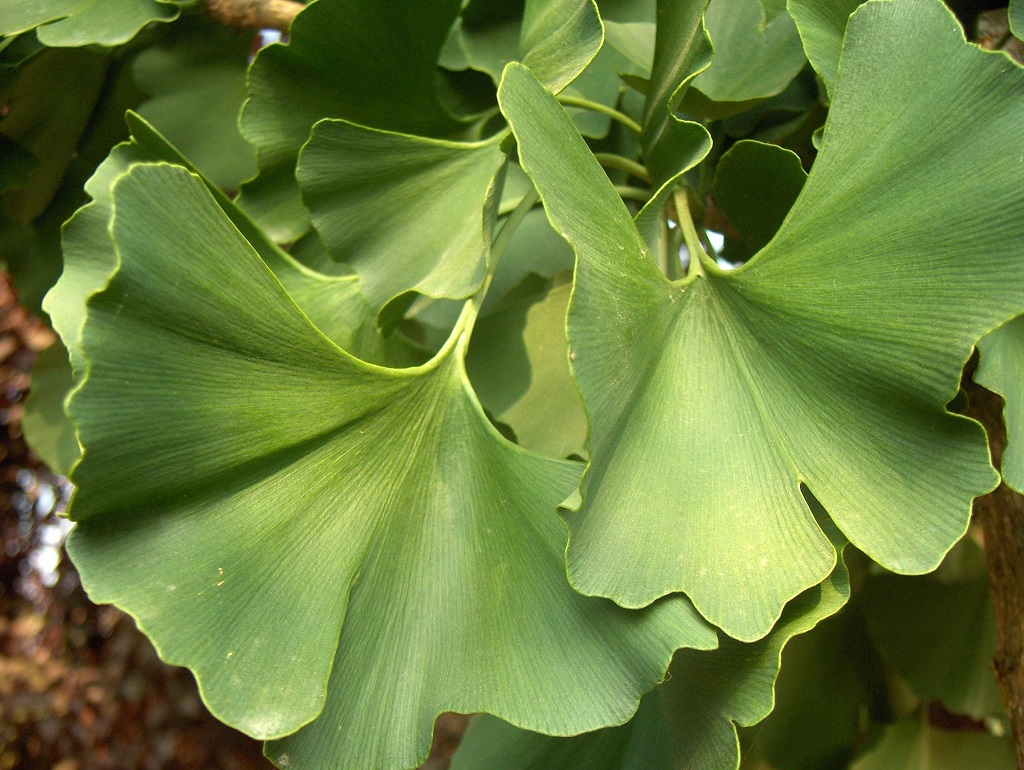
The leaves are the most distinctive and captivating feature: fan-shaped, with often wavy edges, they appear light green during the growing season, then transform into a brilliant golden yellow in autumn, creating an iconic visual display in urban parks and public gardens.
Ginkgo is a dioecious species, meaning it has male and female flowers on separate plants. Female specimens produce ovules encased in a fleshy, fruit-like covering, which, when mature, emits an unpleasant odor. For this reason, male grafted specimens, which do not produce seeds, are preferred in public and landscaped areas.
Valued for its incredible resilience to tough conditions, the Ginkgo tolerates urban pollution, strong winds, poor soils, and harsh temperatures down to -30°C. It is not prone to significant diseases and requires minimal maintenance, making it perfectly suited for complex urban environments. Its slow initial growth is offset by its long lifespan: it can live for centuries, becoming a true permanent feature of the landscape.
For these reasons, Ginkgo biloba is an excellent choice for both tree-lined avenues and public spaces, as well as large private gardens.
→ Discover other types of ornamental trees resistant to pollution.



Fill out the form below and we’ll get back to you within 24 hours.