Plant details
| Altezza a maturità | |
|---|---|
| Crescita | Fast |
| Esposizione | |
| Fogliame | Deciduous |
| Manutenzione | |
| Resistenze | |
| Periodo fioritura | |
| Portamento | |
| Terreno | Calcareous, Poor, Sandy, Well-drained |
| Uso consigliato | Large areas/parks |


Fill out the form with your request, and we will get back to you as soon as possible.
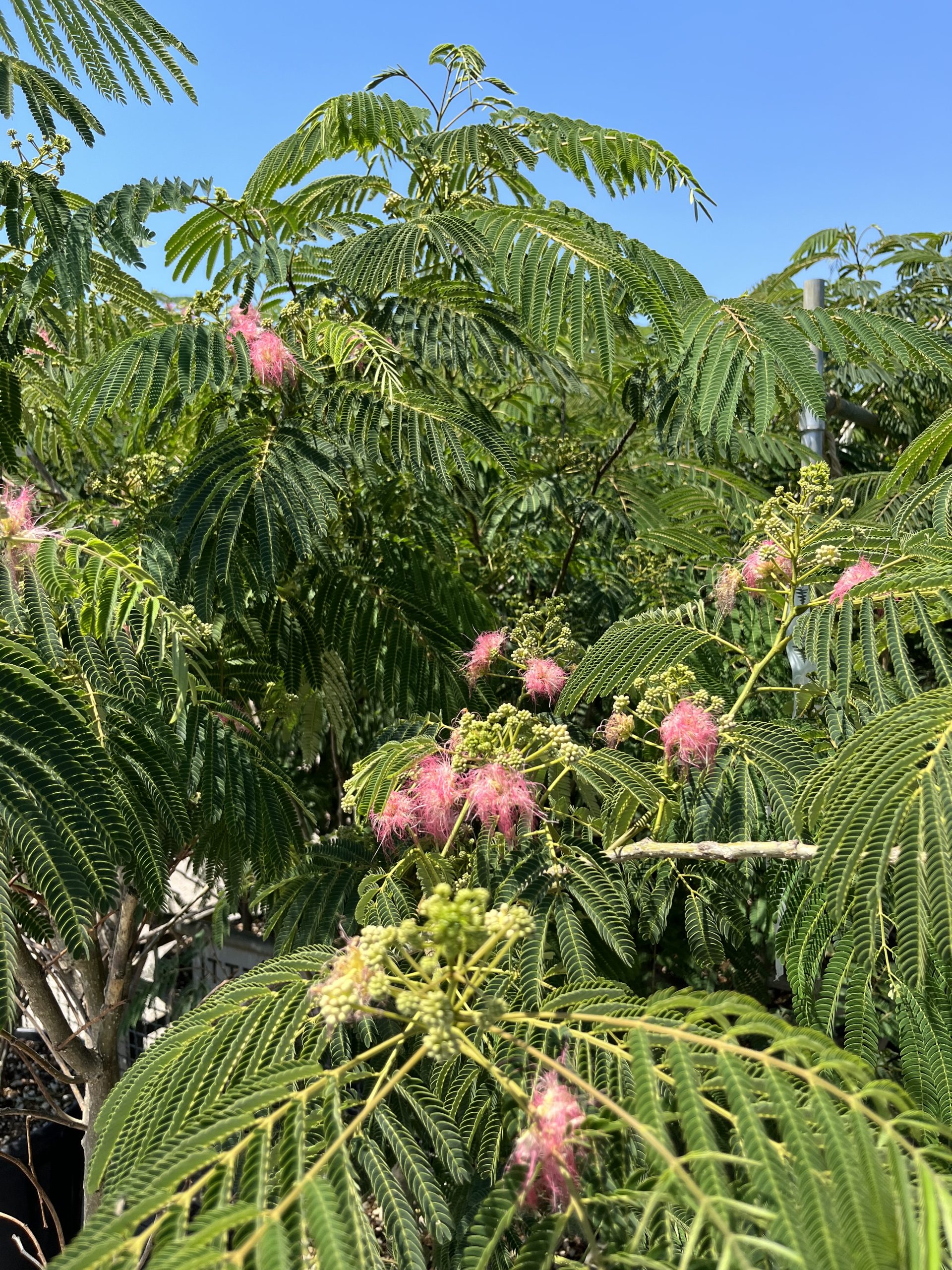
Paulownia fortunei ‘Fast Blue’ is a deciduous tree of Asian origin, increasingly appreciated in landscape design for its elegant form, broad crown, and spectacular spring flowering.
Paulownia fortunei ‘Fast Blue’ is notable for its rapid growth, which can exceed 3–5 meters per year under optimal conditions. This makes it one of the most effective solutions for those seeking quick shade and immediate visual impact.
In its early years, the growth habit is generally upright, gradually developing a rounded and tidy crown over time. At maturity, it easily reaches heights of 10–15 meters, maintaining a balanced and airy silhouette.
One of the most distinctive features of this cultivar is its early and abundant flowering, which occurs between April and May. Even before the leaves emerge, the tree becomes covered in large, upright inflorescences made up of trumpet-shaped flowers in a deep bluish-lilac color — highly fragrant and visually striking.
The leaves are very large (up to 40 cm), heart-shaped, slightly velvety, and bright green. They provide dense shade, making the tree ideal for natural screening, sun-exposed gardens, or as a decorative feature in tree-lined avenues.
This variety prefers full sun exposure and well-drained soils, including poor, sandy, or slightly calcareous types. Once well established, it is drought-tolerant and can withstand temperatures as low as -15 °C.
Maintenance is minimal: it only requires formative pruning in the early years to shape its structure and moderate watering during extended dry periods.
It can be used as a standalone ornamental specimen, in rows, or in groups. In productive contexts, it is also used for biomass plantations and light timber production, thanks to the quality of its trunk.
→ Discover Catalpa bungei, perfect variety for creating shaded areas in compact spaces.


Fill out the form below and we’ll get back to you within 24 hours.